Red Apple: A Timeless Script Font for Creative Branding
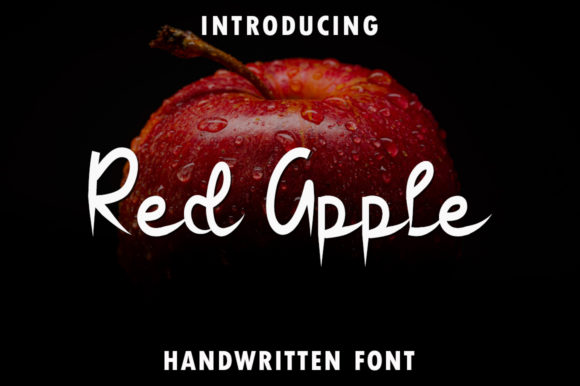
There’s a moment in every design project where you open a blank brand board and feel the weight of possibility. That’s when I first tested Red Apple on a logo concept for a boutique coffee shop. It wasn’t just any font—it was something that felt like a conversation. Red Apple is a classic handwritten font, and from the very first letter, it carried an air of warmth, personality, and approachability.
A Handwritten Feel with Real Substance
Red Apple isn’t your average script font. It has a natural, flowing rhythm that feels both elegant and casual. The strokes are consistent yet expressive, giving it a handcrafted look without sacrificing legibility. This makes it perfect for short texts, headlines, or even as a signature touch on packaging or social media graphics. Its personality is friendly, inviting, and slightly whimsical—ideal for brands that want to feel personal and authentic.
I found myself using it repeatedly in different contexts. On a café visual refresh, it worked beautifully on the storefront sign and menu headers. For a handmade shop branding project, it added a touch of charm to product labels and business cards. It’s not just about aesthetics—it’s about creating a sense of character that resonates with the audience.
Where Red Apple Shines: Logo Design and Brand Identity
Logo design is where Red Apple really comes into its own. When paired with a simple, clean icon, it adds a human element that feels genuine. I used it for a creative studio identity, and the result was a logo that felt both professional and approachable. It’s especially effective when used as a headline or tagline, helping to draw attention and create visual hierarchy.
For brand identity systems, Red Apple can serve as a primary typeface or a supporting accent. It works well with sans serif fonts for contrast, and its organic curves complement modern typography systems. However, it’s important to note that Red Apple is best suited for short phrases, headlines, or decorative elements. Long body text may feel too informal or difficult to read at smaller sizes.
Testing Red Apple in Real-World Applications
I tested Red Apple across multiple design assets, including packaging mockups, website headers, and social media layouts. On a bakery packaging label, it gave the product a nostalgic, artisanal feel. In a web design context, it worked well in the hero section of a homepage, adding a touch of elegance to a digital presence.
On Instagram posts, Red Apple brought a sense of playfulness and creativity, making the content feel more engaging and personal. But I also noticed that in some cases, the font’s informal nature could clash with a more corporate or formal brand image. It’s crucial to consider the brand’s tone and audience before committing to Red Apple as a primary typeface.
Font Pairing and Design Flexibility
When pairing Red Apple with other fonts, I found that it pairs well with sans serif fonts like Montserrat or Lato for a balanced contrast. It also complements serif fonts like Cinzel or Playfair Display for a more refined look. For a cohesive brand identity, it’s worth exploring the included styles, alternates, ligatures, and swashes to add variety and interest.
Red Apple supports multiple weights and file formats, which is great for versatility. Whether you’re designing for print or digital, the font offers flexibility without compromising on quality. Its multilingual support is another plus, making it suitable for international projects or diverse audiences.
Limitations and Practical Considerations
While Red Apple is a versatile font, it’s not without its limitations. At smaller sizes, the strokes can become less distinct, which might affect readability. For long body text or formal documents, it’s better to use a more structured font. Additionally, because it’s a handwritten style, it may not be ideal for all brand identities—especially those that require a more polished or corporate feel.
Before using Red Apple in client work, it’s essential to check the commercial font licensing. Ensuring proper usage rights is critical, especially when working on brand identity, packaging, templates, or merchandise. Always verify whether the font is available in webfont formats if you plan to use it on websites or digital products.
Final Thoughts on Red Apple
Red Apple is more than just a font—it’s a tool for storytelling. It brings warmth, personality, and a touch of nostalgia to any design project. Whether you’re working on a boutique identity, a café refresh, or a handmade shop branding, this classic handwritten font has the potential to elevate your work.
Its strengths lie in its expressiveness, readability in short texts, and ability to create a strong visual impact. With careful consideration of its limitations and thoughtful pairings, Red Apple can be a powerful addition to your design toolkit. If you’re looking for a font that feels personal and authentic, Red Apple is definitely worth testing in your next branding project.